October 9, 2026
Defensible Space in Yavapai County
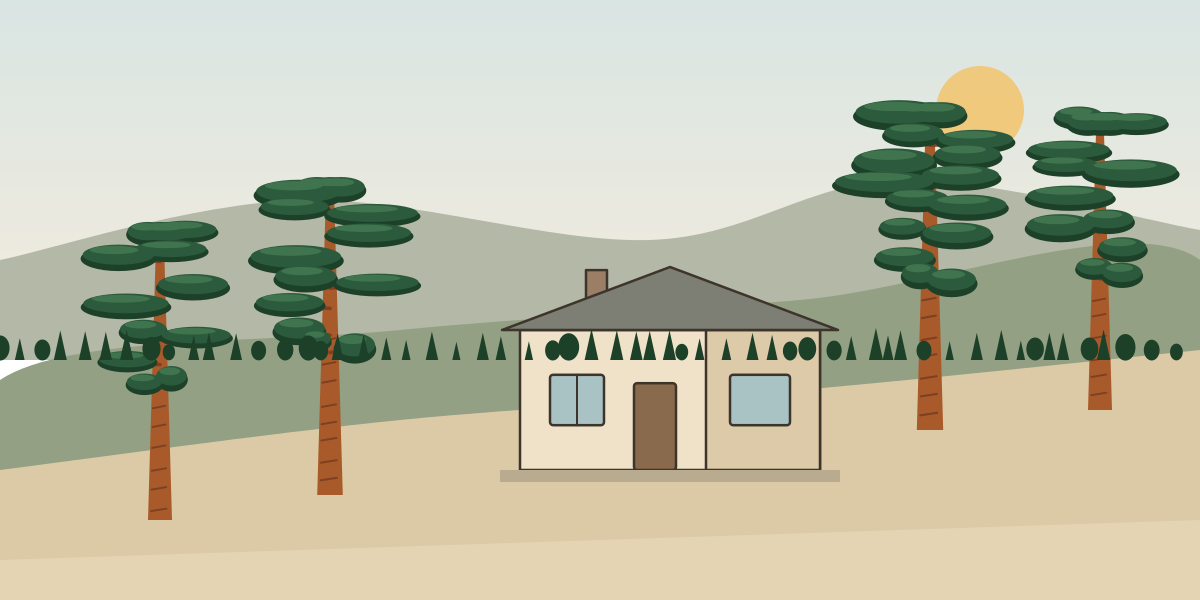
Much of Yavapai County is built where homes meet wildland: ponderosa forest around Groom Creek and the Bradshaws, juniper and oak across the hills from Williamson Valley to Dewey-Humboldt, chaparral and pinyon in Sedona. When fire comes through country like that, the homes that survive are usually the ones where the fuel near the house was thinned and cleared ahead of time.
That work is called defensible space. Here’s what it means in practice for a Prescott-area property, zone by zone.
Why embers matter more than flames
Most homes lost to wildfire don’t burn because a wall of flame reached them. They burn because embers, blown far ahead of the fire, landed on something that caught: dry needles in a gutter, bark mulch against the siding, a juniper by the porch, firewood under the deck. Defensible space is mostly about removing those landing spots and breaking the path that lets fire climb from the ground into the trees.
Zone 0: the first five feet
This is the most important ground on your property.
- Nothing that burns against the house: no bark or wood mulch, no junipers or other dense shrubs, no firewood
- Gravel, pavers, bare soil or well-watered low plants instead
- Gutters and roof valleys cleared of pine needles, especially before fire season
- Nothing stored under decks
Zone 1: five to thirty feet
Here the goal is lean, clean and spaced out.
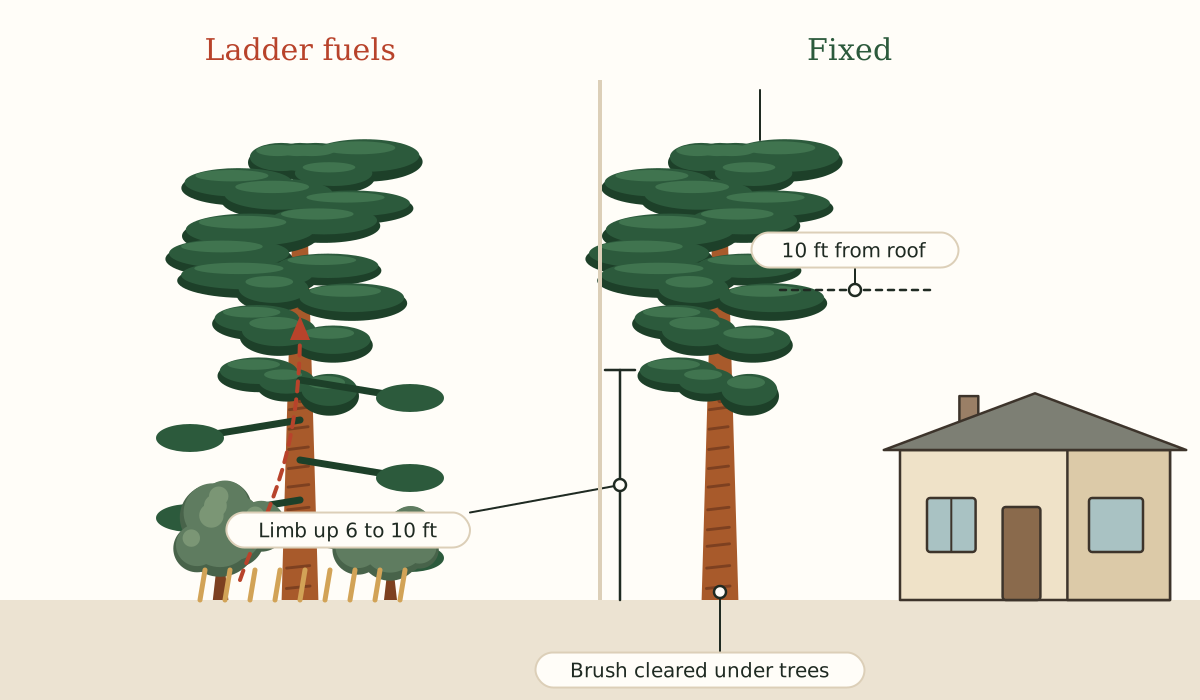
- Remove ladder fuels. Limb trees up from the ground, typically 6 to 10 feet, and clear the brush and small trees underneath them so a grass fire can’t climb into the crown.
- Space the crowns. Thin trees so their crowns don’t touch. Clumps of juniper and dense young pines are the first to go.
- Clear the roof. Keep limbs about 10 feet back from the roof and the chimney.
- Keep grass short and green where you can, especially by late spring.
Zone 2: thirty to one hundred feet
Out here the work is thinning, not clearing everything.
- Remove dead trees and dead branches
- Thin thickets of small junipers, oak brush and young pines
- Keep the bigger, healthier trees and limb them up
- On slopes, extend the work farther on the downhill side, because fire runs uphill much faster
If your property line is closer than 100 feet, talk to your neighbors. Defensible space works best when a whole street does it.
Junipers: the biggest single factor
Alligator and Utah juniper are everywhere around Prescott, and they’re the plant fire crews worry about most near homes. The foliage is oily, the inside of the tree collects dead material, and they burn hot. A typical first defensible space project removes the junipers closest to the house, thins the rest, and limbs up the keepers.
That doesn’t mean clearing every juniper on the lot. Big old alligator junipers spaced well away from the house can stay. The point is breaking up continuous fuel.
What to do with the slash
A day of thinning makes a lot of brush. Options:
- Chip it. Fastest, and the chips can go on paths or under trees well away from the house. Keep them out of Zone 0. See brush chipping.
- Haul it. The City of Prescott’s transfer station on Sundog Ranch Road takes clean brush by weight, and the city has run free brush programs in some spring seasons. Check what’s offered before you go.
- Burn it. Only with a burn permit from your fire district, only on approved burn days, and never during fire restrictions.
Don’t leave fresh pine slash in piles through spring and early summer. It draws Ips bark beetles, which breed in the cut branches and then attack your living pines. More on that in our bark beetle guide.
When to do it
Late fall through early spring is the best window: cooler, wetter, before the dry, windy weeks of May and June, and outside bark beetle season for pine work. Fire restrictions can limit chainsaw use in summer, and running a saw in dry grass on a hot afternoon is a fire risk on its own.
Keeping it up
Defensible space needs a maintenance pass every year or two. Grass and oak brush come back after every monsoon, and the pines drop a new layer of needles every fall.
Getting help
If your lot is steep, heavily wooded, or just more than a weekend’s work, call (928) 766-TREE. We’ll line up a licensed local tree company to walk the property and quote the work zone by zone, so the most important part gets done first. See our page on defensible space clearing for more.