October 9, 2026
Tree Down After a Monsoon: What to Do
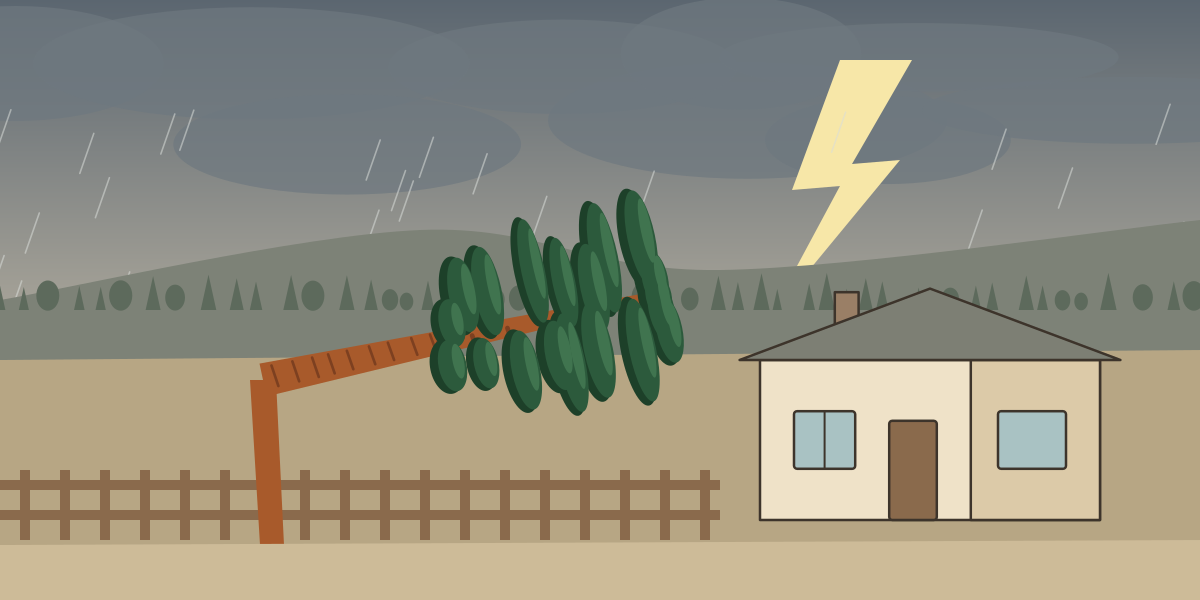
Monsoon storms around Prescott build fast. A clear July morning turns into towering clouds over the Bradshaws by early afternoon, and the outflow wind that races out ahead of the rain is what does most of the damage to trees. A single microburst can snap a big ponderosa in Timber Ridge, flatten an elm windbreak in Chino Valley, or tear a limb the size of a car off a cottonwood in Cottonwood.
If a tree has just come down on your property, here is what to do, in order.
The first hour, step by step
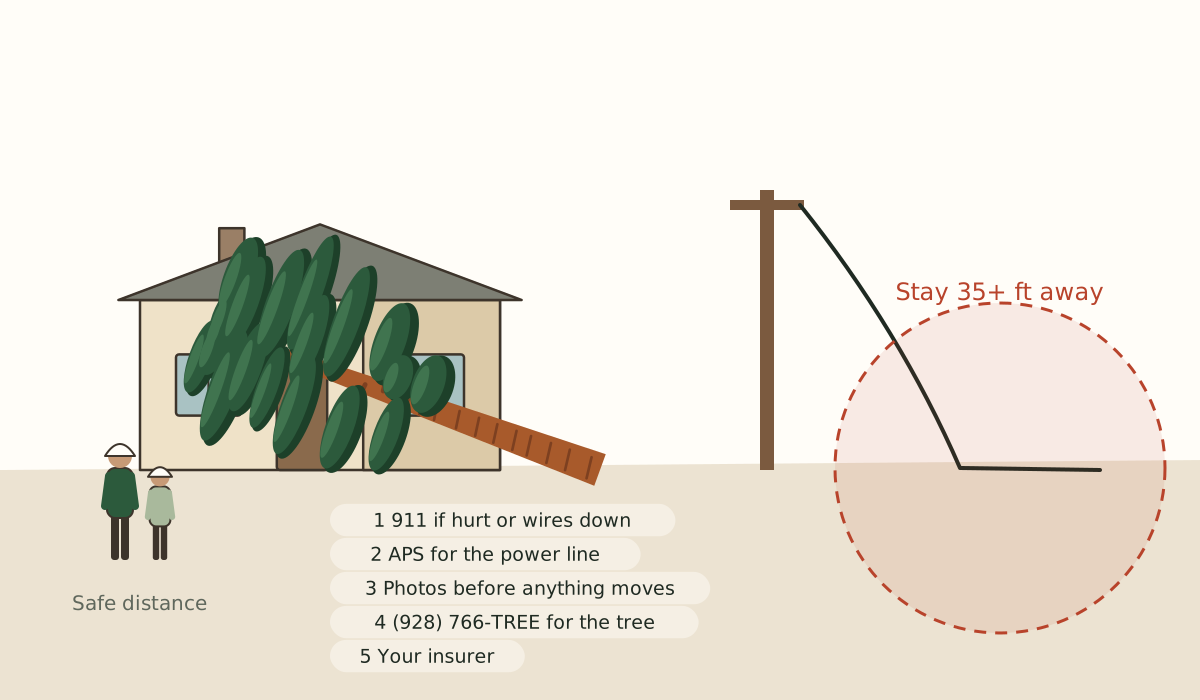
- Get people out of harm’s way. Leave the rooms under the tree. If the roof is sagging, you hear cracking, or you smell gas, leave the house.
- Stay away from wires. Treat every wire as live, including ones that look like phone or cable lines. Keep at least 35 feet away, and keep kids and pets back too.
- Call 911 if anyone is hurt, if a wire is down, or if the tree is blocking a road.
- Call APS to report a downed or damaged power line. No tree crew will touch a tree in contact with a line until the utility has made it safe.
- Take photos. Before anything is moved, photograph the tree, where it hit, and any damage inside: water, cracked ceilings, broken windows. Get wide shots and close-ups.
- Call for the tree. Call (928) 766-TREE. Calls are taken 24 hours a day, and we’ll line up a licensed crew that handles storm work.
- Call your insurer. Report the claim early. Ask what they need from you and whether they want to inspect before removal.
Don’t cut it yourself
It’s tempting to grab a chainsaw, especially for a tree across the driveway. Please don’t, at least not for anything resting on a structure or another tree. Fallen trees are full of stored tension. A trunk bent across a roof or a limb pinned under another can spring sideways when it’s cut, and that’s how most storm cleanup injuries happen. Cutting from a ladder or a roof with a saw is worse.
A small limb on open ground is a different matter. If it’s clearly not under tension, isn’t near a wire, and you’re comfortable with a saw, it’s fine to clear it.
How the crew handles a tree on a house
The first goal is to take the weight off the structure without causing more damage. The crew reads how the tree is loaded, then removes it piece by piece, often rigging the top to an anchor point or using a crane so sections can be lifted off rather than dragged. Once the weight is off, the rest can wait until daylight or be finished the same day.
If the roof is open, ask about a temporary tarp to keep the rain out until a roofer can get there. Monsoon storms tend to come back the next afternoon.
Insurance basics
Most homeowners’ policies cover removing a tree that fell on a covered structure, such as the house, a garage or a fence, along with the damage it caused. There’s usually a cap on tree removal costs. A tree that fell without hitting anything, or a healthy tree you want removed before it falls, generally isn’t covered.
Keep every receipt and every photo. If the tree came from a neighbor’s yard, your insurer will usually still handle the damage to your property and sort out the neighbor’s side.
Which trees go down, and how to avoid the next one
Storm failures in Yavapai County aren’t random. In the Prescott pine country, the trees that fail are often ponderosas with root rot, old lightning scars, or a dead top. In Prescott Valley and Chino Valley, brittle Siberian elms with tight forks are the usual suspects. In the Verde Valley, mature cottonwoods drop heavy limbs, sometimes on calm days.
Most give warning signs months ahead: cracks, dead branches, mushrooms at the base, a new lean, soil lifting on one side. A hazard tree check in spring, before the monsoon arrives in July, costs far less than an emergency call in August.
Quick reference
- Wires down or anyone hurt: 911
- Power lines: APS
- The tree: (928) 766-TREE, 24 hours a day
- Your insurer: as soon as people are safe
For more on how emergency removals work, see our page on emergency tree service.